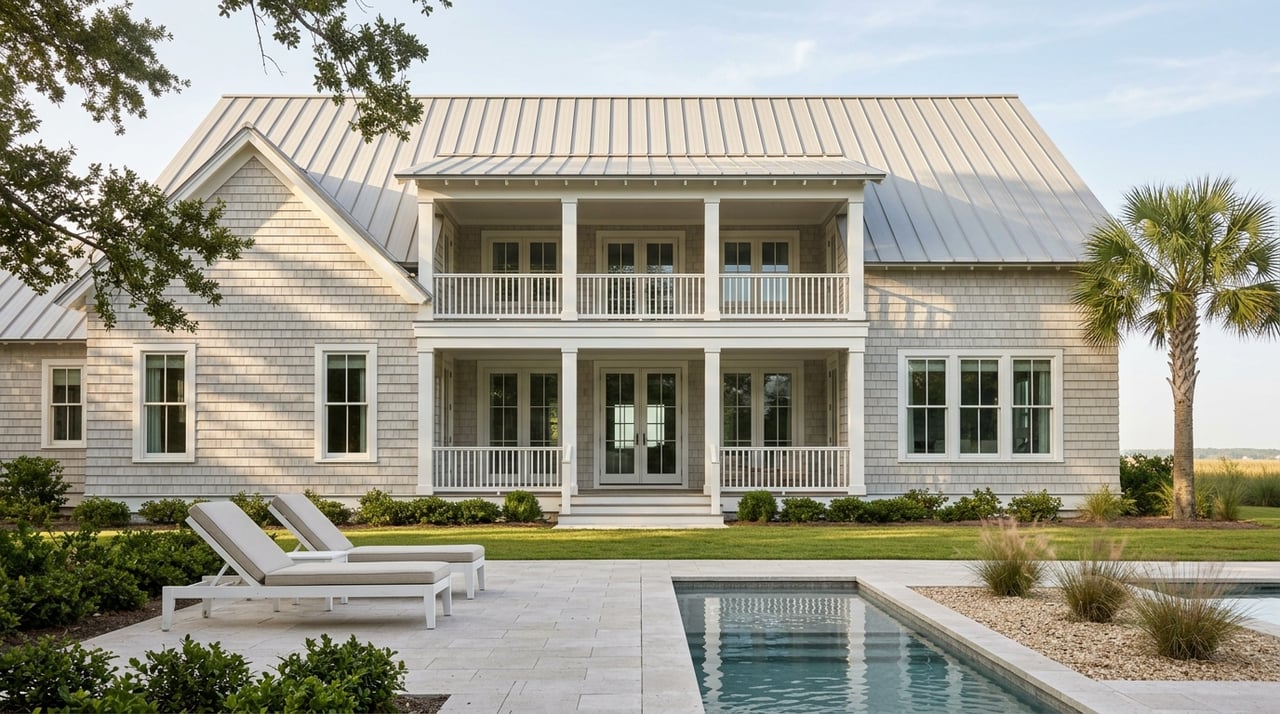
Thinking about selling in St. Simons Island Club? In a neighborhood where buyers often compare a small number of high-value homes very closely, the details matter. If you want to stand out, you need more than a sign in the yard. You need the right pricing, polished presentation, and a clear story about what makes your property special. Let’s dive in.
Why prep matters here
St. Simons Island Club sits in a very different price bracket than the broader local market. Recent market snapshots place the neighborhood around the $1.5 million to $1.55 million range, while St. Simons Island overall is much lower, and Glynn County lower still. That gap matters because buyers in this segment tend to be selective and expect a higher level of finish, photography, and listing strategy.
This is also a thin submarket, which means there are fewer sales and fewer direct comparisons. Recent reports show a limited number of homes for sale and only a handful of recent sales, with median days on market stretching well beyond a quick weekend launch. In a market like this, pricing and presentation are closely scrutinized from day one.
Start with the right property story
One of the strongest selling angles in St. Simons Island Club is lifestyle. Sea Island materials describe the community as a gated neighborhood with homes that may offer golf-course, lagoon, or woodland views. That setting gives your listing a built-in story, but it has to be told carefully and accurately.
Your home is not just competing on square footage. It is competing on setting, privacy, outdoor views, and how well the listing connects the property to the larger St. Simons Island lifestyle. Buyers often respond to the idea of living near beaches, biking routes, Pier Village, the lighthouse, dining, shopping, and seasonal events because those features help place the home in a broader coastal experience.
Be precise about club access
This point is important enough to separate from everything else. Sea Island materials note that access to club features is tied to membership, and club facilities may be expanded, modified, or removed over time. That means your listing should be exact about what is included with the property and what may require separate membership approval or fees.
Clear language builds trust. Overpromising can create confusion during showings and due diligence, which is the last thing you want when selling a luxury home. A careful, accurate description protects both your sale and your credibility.
Focus on the rooms buyers notice first
If you are deciding where to spend time and money before listing, start with the spaces that shape the first impression. According to the National Association of Realtors' 2025 staging data, the most commonly staged rooms are the living room, primary bedroom, dining room, and kitchen. Those are often the spaces that help buyers picture how the home lives day to day.
In St. Simons Island Club, that advice is especially useful. Buyers in this market are often looking for a home that feels polished, comfortable, and ready for entertaining or relaxed coastal living. A clean, bright living area, a calm primary suite, and a refreshed kitchen can make the entire property feel more valuable.
What to prioritize before listing
- Declutter main living spaces
- Refresh the primary bedroom with simple, neutral styling
- Clear kitchen counters and reduce visual noise
- Make dining spaces feel open and intentional
- Highlight windows, natural light, and any view corridors
- Clean and simplify patios, porches, or outdoor seating areas
You do not always need a full redesign. In many cases, thoughtful edits and selective staging create the biggest return.
Professional visuals are not optional
Most buyers start online, and listing photos remain the most useful feature in their search. NAR reports that 81% of buyers rate listing photos as the most useful online feature, and more than half found the home they purchased online. That means your digital first impression is often your real first showing.
For a St. Simons Island Club home, professional photography should be part of the plan from the beginning. If your property has golf, lagoon, wooded, or other notable exterior views, those images should be captured with care and placed thoughtfully in the photo sequence. Buyers should understand the setting quickly, not have to guess at it.
The strongest visual package often includes
- Professional photography
- A thoughtful image order that leads with the home's best features
- Floor plans for layout clarity
- Video or virtual tour content when appropriate
Photos matter most, but floor plans still help many buyers understand flow and scale. If any virtual staging or image enhancement is used, it should stay accurate and transparent so buyers are not surprised when they visit in person.
Staging can support price and timing
Staging is not just about style. It is about helping buyers connect with the home. NAR's 2025 data found that 83% of buyers' agents said staging made it easier for buyers to visualize the property as a future home.
There is also practical upside for sellers. In that same report, 29% of agents said staging increased the dollar value offered by 1% to 10%, and 49% said staging reduced time on market. The median cost for using a staging service was reported at $1,500, which gives sellers a useful benchmark when planning prep costs.
How much staging makes sense?
For a club-level home, the goal is usually not to overdecorate. It is to create a clean, elevated presentation that lets buyers focus on the architecture, light, and setting. In many cases, strategic staging in the main rooms does more than trying to style every corner of the house.
Price for scrutiny, not for hope
Because this is a high-end niche market, pricing needs to reflect both the local data and the buyer pool for your specific property. Realtor.com reports the neighborhood as a seller's market, but it also notes that homes sold for an average of 3.19% below asking. That is a reminder that even in a favorable environment, buyers still push back when pricing feels too ambitious.
This is where local judgment matters. In a small neighborhood with limited turnover, one oversized price can make a listing sit, while a sharp launch can create stronger early interest. The goal is not simply to list high. The goal is to position your home so it feels compelling relative to the few homes buyers are likely comparing.
Build a first-week launch plan
A passive listing approach is rarely enough for a property in this price tier. Since so many buyers begin online, your first week on the market should be treated like a true launch. That means the listing should go live with complete visuals, strong copy, and a clear message about the home's setting and features.
A good launch plan should answer a few basic questions right away. What makes this home stand out within St. Simons Island Club? How does it connect to the wider St. Simons lifestyle? And how will the listing describe club and community features accurately, without promising benefits that are membership-based?
A smart seller checklist before going live
- Confirm what features belong to the property itself
- Verify any membership-related language before marketing
- Complete photography only after the home is fully prepared
- Decide which rooms need staging support
- Prepare a pricing strategy based on current neighborhood competition
- Make sure the online presentation is polished on day one
Use the island lifestyle carefully and effectively
St. Simons Island is known for beaches, biking, Pier Village, the lighthouse, dining, shopping, and events. Those features help buyers picture life in the area, and they can absolutely strengthen your marketing story. The key is to use them as place-based context, not as filler.
In other words, your listing should connect your home to the broader island experience in a natural way. Buyers are often drawn to the idea of a complete coastal lifestyle, especially when a property also offers a gated setting and a strong golf identity. That combination can be powerful when it is presented with accuracy and restraint.
Golf pedigree is part of the appeal
The Retreat course adds another layer to the neighborhood's identity. Sea Island materials note that the original St. Simons Island Club design dates to the 1970s and was redesigned in 2001 by Davis Love III and Mark Love. For sellers, that gives the community a well-established golf backdrop that can support the home's positioning.
Work with a strategy, not just a listing date
Preparing to sell in St. Simons Island Club is about more than cleaning up and taking a few photos. It is about understanding how buyers in this market evaluate value, presentation, and lifestyle. When your pricing, prep, and launch all work together, your home has a much better chance of making a strong first impression.
If you are getting ready to sell and want a clear plan for pricing, presentation, and marketing in St. Simons Island Club, connect with Stephanie Webb for local guidance tailored to your property.
FAQs
What should sellers highlight in a St. Simons Island Club listing?
- Sellers should focus on property-specific features such as views, layout, outdoor living, and setting, while describing any club-related benefits carefully and only as supported by current membership rules.
How does St. Simons Island Club compare to the broader St. Simons market?
- Recent market snapshots place St. Simons Island Club well above the broader island and county median price levels, which is one reason luxury-level preparation and pricing strategy matter more here.
Which rooms matter most when preparing a St. Simons Island Club home for sale?
- The living room, primary bedroom, dining room, and kitchen are often the best places to focus because staging data shows these rooms commonly shape buyer perception.
Why are professional photos important for St. Simons Island Club sellers?
- Buyer behavior data shows that listing photos are the most useful online feature for many buyers, so high-quality images help your home compete from the moment it hits the market.
What should St. Simons Island Club sellers know about club amenities?
- Sellers should know that club access may depend on membership, and marketing language should clearly separate property features from membership-based amenities.
