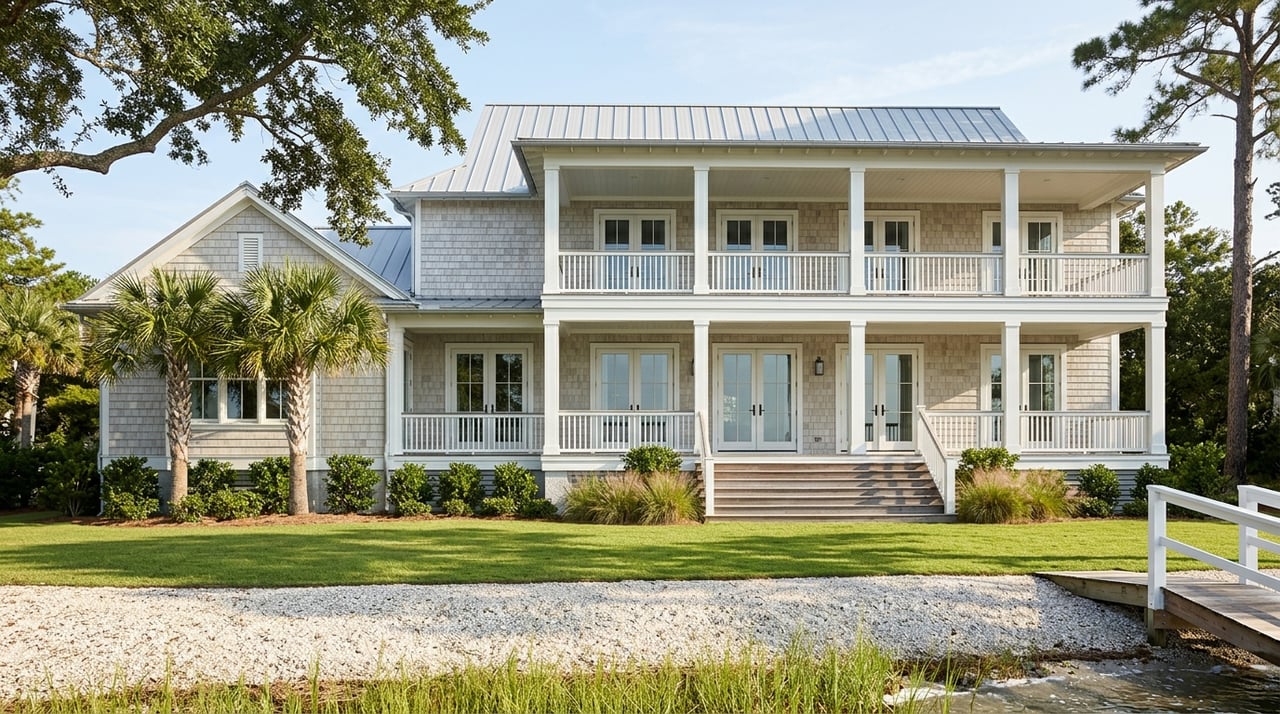
If you are thinking about owning a second home in St. Simons Island Club, you are probably looking for more than extra square footage. You want a property that feels easy to enjoy, practical to maintain, and well-positioned for long-term value. In this part of St. Simons Island, those decisions often come down to lifestyle access, ownership logistics, and resale clarity just as much as the home itself. Let’s dive in.
Why St. Simons Island Club Stands Out
St. Simons Island Club is closely tied to the broader Sea Island golf and club story. According to Sea Island’s golf history, the company purchased the former St. Simons Island Club and later renamed its 18-hole course Retreat after a redesign by Davis Love III and Mark Love.
That matters because when you buy here, you are not simply choosing a house in a neighborhood. You are often evaluating a private, membership-linked coastal lifestyle with golf, dining, wellness, and resort-style amenities shaping the ownership experience.
Second-Home Appeal on St. Simons
For many buyers, this location works well as a weekend, holiday, or seasonal home. Sea Island’s sales brochure notes access through Jacksonville, Savannah, Brunswick Golden Isles, and McKinnon St. Simons Island airports, with short drive times from Brunswick and McKinnon to the resort core.
The area also supports year-round use. The same brochure highlights a mild coastal setting, and Sea Island describes the Golden Isles climate as having ocean breezes, an average temperature of 68°F, and steady visitor activity throughout the year.
If you want a place you can use often without planning a major travel production every time, that convenience can be a real advantage. It supports the kind of second home that feels connected to your routine rather than set apart from it.
Membership Is Part of the Decision
One of the biggest questions for second-home buyers here is how club access works. On the Sea Island membership page, the club notes that Full and Beach & Sports memberships require qualified real estate, while Invitational and Junior categories do not require property ownership.
Sea Island also states that prospective members must be recommended by an existing Sea Island Club member. That private-club structure means you should think about membership eligibility early, not after you fall in love with a property.
In practical terms, the right home is not always just the one with the best finishes or floor plan. It is the one that fits your intended use and lines up clearly with the club access you want.
What Ownership Looks Like Day to Day
A second home should feel manageable when you are away. That is especially true in a coastal market where weather, humidity, and intermittent occupancy can affect upkeep.
Sea Island’s owner services request form shows the kind of support some island owners and guests may use, including housekeeping requests, grocery delivery, and help coordinating dining, spa, and activity reservations. For many buyers, this service-oriented environment is part of the appeal.
If you expect a true lock-and-leave property, ask detailed questions about who handles routine checks, storm prep, housekeeping, and arrival-day readiness. A beautiful home is only part of the picture. Ease of ownership is often what makes a second home enjoyable in real life.
Taxes to Understand Before You Buy
Second-home buyers should go in with clear expectations about property taxes. The Georgia Department of Revenue says the standard homestead exemption applies to a home that is actually occupied and used as the owner’s primary residence.
That means you should not assume a vacation home in St. Simons Island Club will qualify for homestead tax savings. Glynn County also requires the owner to own and reside in the property as their legal residence as of January 1 of the tax year.
This is a simple point, but it matters when you are building a realistic carrying-cost budget. For second-home ownership, your tax picture may look different than it would for a primary residence.
Flood Insurance and Coastal Risk
Flood insurance deserves close attention in any coastal purchase. According to FloodSmart, most homeowners insurance does not cover flood damage, and a separate flood policy is required for homes in a Special Flood Hazard Area when the mortgage is government-backed.
FloodSmart also notes that some lenders may require flood insurance even outside high-risk areas. FEMA guidance referenced through FloodSmart explains that coastal high-risk areas appear as A or V zones on flood maps, with stricter building considerations in VE zones.
For you as a buyer, that means the specific address matters. Flood zone, elevation, lender guidelines, and renovation plans can all affect your ownership costs.
Coastal Maintenance Matters More Than You Think
A second home on the Georgia coast needs a thoughtful maintenance plan, especially if it will sit empty for stretches of time. NOAA’s Georgia coastal overview places Glynn County within the state’s coastal region, and the National Hurricane Center defines Atlantic hurricane season as June 1 through November 30.
Humidity is another ongoing factor. Research cited in the market report from UGA Extension recommends keeping indoor relative humidity below 60 percent, ideally between 30 and 50 percent, to help reduce mold risk.
That is why smart second-home ownership here often includes:
- Regular HVAC servicing
- Humidity monitoring
- Prompt leak repair
- Gutter and drain checks
- A clear storm-response vendor plan
- Periodic interior and exterior property checks
When a home is easy to maintain, it is usually easier to enjoy and easier to position well for resale later.
Current Market Positioning
The market context can help you decide whether a property fits your goals. As of March 2026, Realtor.com market data for St. Simons Island Club showed a median listing price of $1.55 million, 8 active listings, a median of 118 days on market, and a seller’s-market label.
The same source noted that homes sold for about asking price on average in February 2026. Because inventory is limited, these numbers can shift with the mix of homes on the market, but they still suggest buyers should pay close attention to pricing, condition, and overall fit.
Nearby pricing also gives useful context. Realtor.com shows nearby St. Simons Beach at a median listing price of $1.45 million, East Beach at $2.57 million, and Sea Palms at $539,000. That places the Island Club in the upper end of the island market, though not at the very top.
What Helps Resale in This Niche
In a market like this, resale value is often tied to ownership ease as much as appearance. The strongest drivers tend to include club-access clarity, low deferred maintenance, flood-zone transparency, and a home that works well for part-time use.
That makes sense in a membership-linked, coastal setting. Buyers are often comparing not just architecture and finishes, but also how simple the property will be to insure, maintain, and use.
If you are buying with future flexibility in mind, focus on the factors that stay important across market cycles:
- Clear membership path or property eligibility
- Well-documented maintenance history
- Realistic insurance and carrying costs
- Functional layout for seasonal living
- Strong overall condition with limited deferred upkeep
Questions to Ask Before You Purchase
Before you move forward on a second home in St. Simons Island Club, it helps to ask a few practical questions early.
Confirm membership fit
Make sure you understand whether the specific property qualifies for the Sea Island membership category you want, along with any dues or initiation structure outlined by Sea Island membership information.
Verify flood-zone details
Use the exact address to confirm flood-zone status and lender requirements. Flood insurance rules can vary based on the property and financing structure, so it is worth checking upfront through resources like FloodSmart eligibility guidance.
Plan for lock-and-leave care
If the home will not be occupied full time, decide who will handle housekeeping, routine inspections, storm prep, and service coordination. Sea Island’s owner services resources show how important these details can be in this market.
Compare maintenance and value
Look at how the home’s maintenance needs, asking price, and overall positioning compare with nearby alternatives in St. Simons Beach, East Beach, and Sea Palms using the available local market snapshot.
Is It the Right Fit for You?
Owning a second home in St. Simons Island Club can be a smart choice if you want a coastal property tied to golf, club access, and a service-rich ownership experience. The appeal is not just the home itself. It is the combination of travel convenience, lifestyle amenities, and a setting that supports regular use throughout the year.
The key is to buy with clear eyes. If you understand membership, taxes, insurance, maintenance, and resale drivers before you commit, you will be in a much stronger position to choose a home that truly fits the way you want to live. If you are exploring second-home opportunities on St. Simons Island, Stephanie Webb can help you evaluate the details that matter most.
FAQs
What makes St. Simons Island Club different from other St. Simons neighborhoods?
- St. Simons Island Club is closely tied to the Sea Island and Retreat golf story, so buyers often evaluate both the home and the surrounding membership-linked lifestyle.
Do second-home buyers in St. Simons Island Club qualify for a Georgia homestead exemption?
- In most cases, no. Georgia’s standard homestead exemption applies to a primary residence that you own and occupy as your legal residence.
Do homes in St. Simons Island Club need flood insurance?
- It depends on the exact address, flood zone, and lender requirements. Some homes require flood insurance, and some lenders may require it even outside higher-risk zones.
Is St. Simons Island Club a good choice for lock-and-leave ownership?
- It can be, especially for buyers who plan ahead for housekeeping, periodic checks, storm preparation, and service coordination during vacancy periods.
What should second-home buyers check before buying in St. Simons Island Club?
- You should confirm membership eligibility, review tax expectations, verify flood-zone and insurance requirements, and understand the home’s maintenance profile and resale positioning.
